
Avoid Automation Failure: Master Business Processes
Business Processes, Automation Failure, System Adoption
The Two Processes Every Business Runs (And Why One Destroys Your Automation)
Most agencies and service businesses think they have one clean, linear set of Business Processes. In reality, they are running two parallel systems: the polished version described in SOPs and onboarding decks, and the messy, living version built from spreadsheets, group texts, skipped steps, and self-invented fixes. Bot-Brand sees this disconnect every time we are called in after an Automation Failure that “should have worked on paper.”
The Documented Process vs. the Real System
Ask an owner how their operation runs and you will hear about a documented workflow: leads come in, get logged in the CRM, are followed up within a set SLA, and move through a neat pipeline. This is the version used in training, in pitch decks, and in software demos. It is logical, linear, and rarely survives contact with real volume and real customers.
The real system is different. It is the Google Sheet a senior coordinator secretly trusts more than the CRM. It is the WhatsApp group where “urgent” leads are rescued. It is the manager’s habit of skipping three steps when a VIP calls. It is the front-desk team inventing Workaround Solutions when the official process does not match what actually happens at 4:45 p.m. on a Friday. This shadow layer is not chaos; it is the business intelligently self-correcting around broken design.
Why Automating the Paper Version Fails in Three Predictable Ways
When agencies or internal teams automate the documented process instead of the real one, the result is almost always one of three outcomes. At Bot-Brand, we see these patterns so often they are effectively diagnostic signals of Real Vs Documented misalignment.
1. It gets bypassed. Staff quietly revert to their spreadsheets and group texts because the new system slows them down or blocks how work actually gets done. The automation technically “works,” but usage drops and parallel shadow processes reappear within weeks.
2. It breaks on the exceptions. The design handles the simple, ideal-path cases and collapses when real-world exceptions show up: out-of-hours calls, partial information, multi-location routing, or high-value clients who must never see friction. Teams then bolt on manual fixes that slowly erode trust in the system.
3. It is adopted and quietly useless. Everyone logs in and clicks the buttons, but nothing meaningful changes. Leads still slip through gaps, managers still demand side reports, and leadership still relies on ad hoc updates. The automation becomes a cosmetic layer, not an operational brain.

When the wrong process is automated, teams quietly rebuild their own workflow around it.
Every Workaround Is a Validated Requirements Document
The instinct is to treat workarounds as problems to be eliminated. In reality, each workaround is a validated requirements document written in behavior instead of words. When a sales coordinator creates a personal lead-tracking sheet, they are telling you the CRM does not surface the fields, timing, or views they need to protect revenue. When a dispatcher uses group texts, they are documenting that your system does not handle urgency, uncertainty, or multi-party coordination well enough.
For serious Requirements Gathering, Bot-Brand treats each workaround as hard data: this is the minimum viable capability required to keep the business afloat under pressure. Instead of asking, “How do we force the team back into the official process?” we ask, “What truth about the work made this workaround necessary, and how do we encode that truth into the core system?”
📌 Key Takeaway: If people repeatedly “break” your process, they are not rebelling; they are telling you where your design is wrong.
Finding the Real System by Watching, Not Asking
Interviews, workshops, and surveys tend to surface the documented process, not the real one. People describe what they believe should happen, what they think leadership wants to hear, or the last version they remember from training. To design automation that actually works, you must observe the system under load.
Sit with the coordinator during peak hours and watch which tools are open, which screens they ignore, and which they refresh constantly.
Map the journey of a real lead from first contact to closed job, including every side-channel message, spreadsheet, and manual override.
Note where people hesitate, double-check, or ask a colleague; each pause usually marks a missing rule, unclear ownership, or data gap.
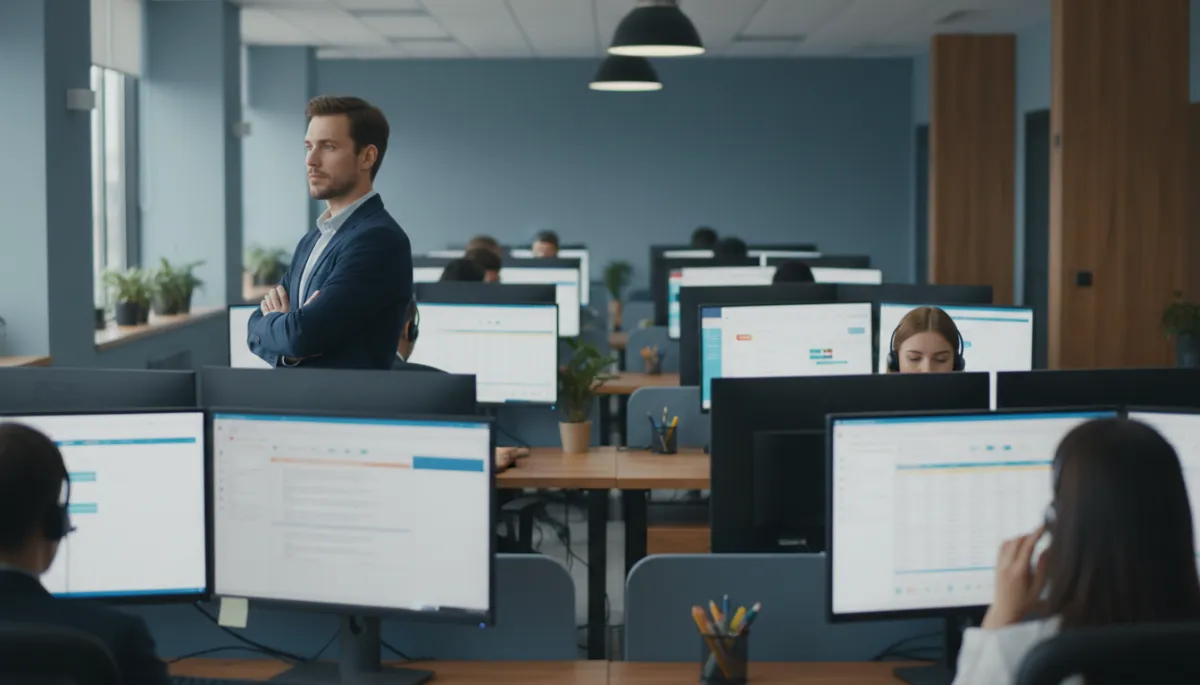
Direct observation reveals the real workflow that no SOP or slide deck ever captures.
This is how Bot-Brand reverse-engineers the living process. We watch the neural pathways of your operation in motion and then architect autonomous systems that align with what actually happens, not what was once written down.
Why Correct Builds Never Need an Adoption Fight
When automation is built around the real system, System Adoption stops being a change-management battle and starts looking like relief. Teams adopt tools that remove friction from their day, protect them from dropped balls, and make them look more competent to customers and leadership. No one has to be bribed or threatened into using a system that already matches how they survive the day.
A correct build does three things:
Encodes the proven workarounds as first-class logic instead of side channels.
Handles exceptions as intentionally as it handles the ideal path, so staff are not forced back into manual rescue mode.
Provides visibility and safeguards that are obviously superior to the old patchwork of sheets and chats.
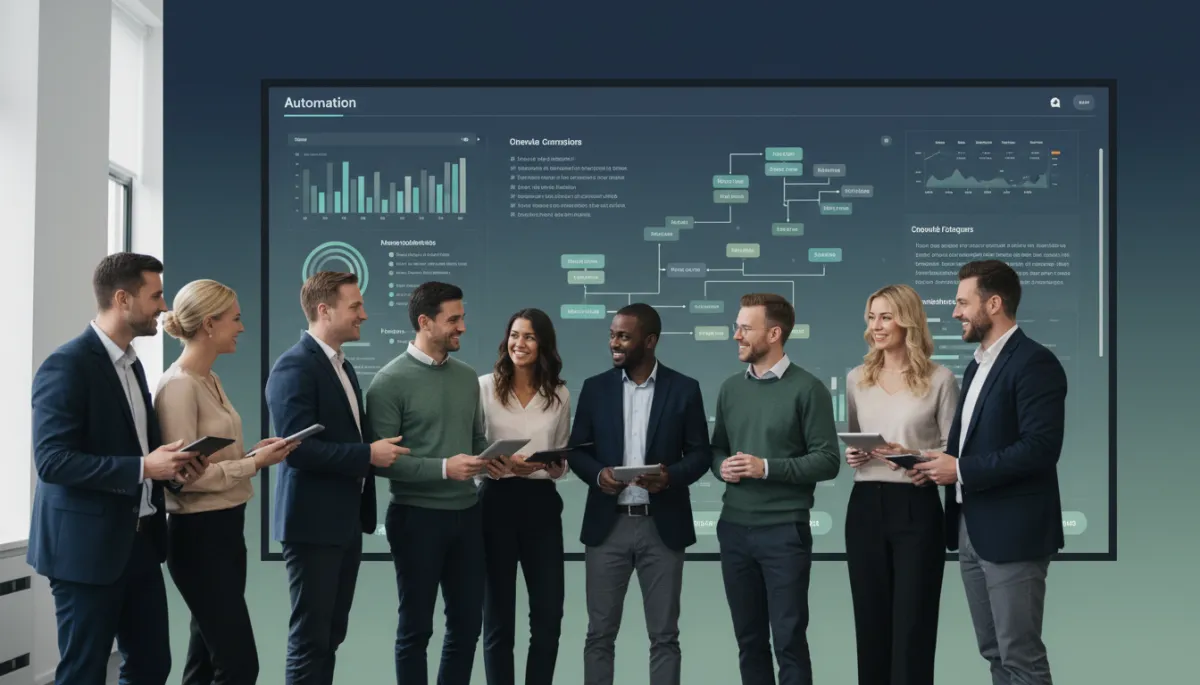
When systems mirror real work, adoption feels natural and resistance disappears.
From Shadow Processes to Autonomous Infrastructure
For high-volume local service businesses and ambitious agencies, the path to true digital autonomy starts with respecting the second process—the one hidden in workarounds. When Bot-Brand deploys AI voice and chat agents or our Neural Intercept Protocol for lead capture, we are not automating a slide deck. We are encoding the real, field-tested behavior of your best people into a 24/7 autonomous infrastructure that does not forget, fatigue, or improvise off-script.
If your last automation project was bypassed, broke on exceptions, or was adopted and quietly useless, the issue was not technology. It was that the wrong process got automated. The next step is not another tool—it is a more honest look at how your business truly runs.
To see how your shadow workflows can be converted into precise, autonomous systems, initialize a Secure Uplink for an Architectural Audit and Systems Diagnostic with Bot-Brand. We will map the real process, not just the documented one, and design automation that never needs an adoption fight.