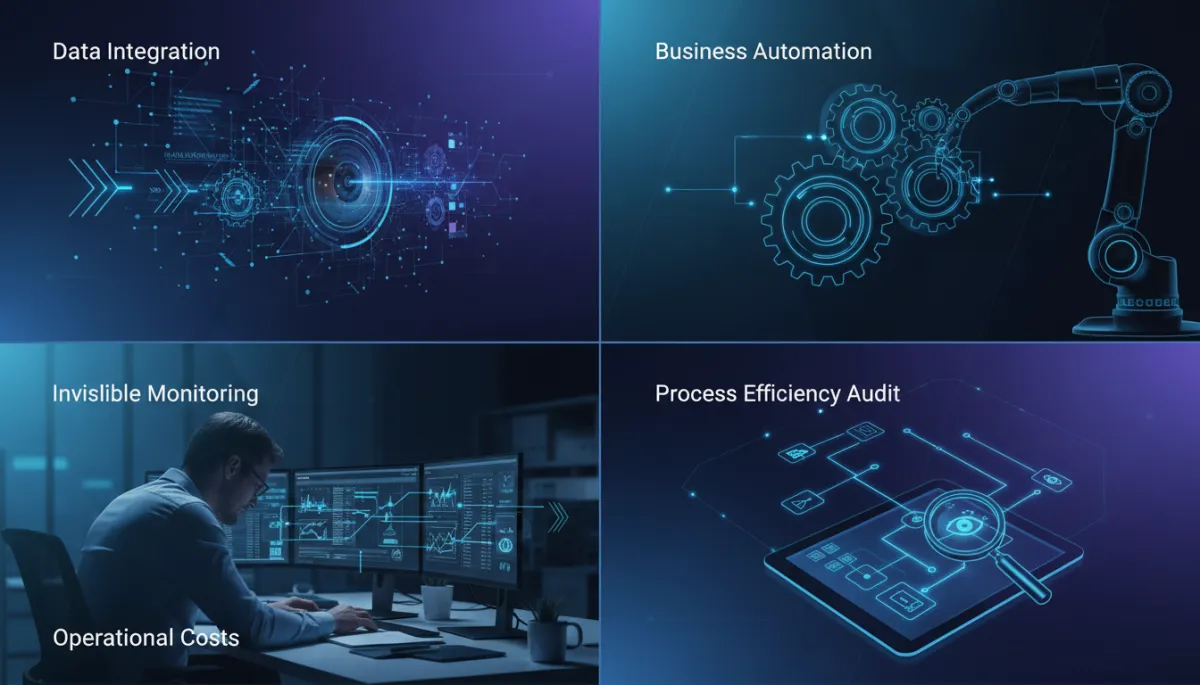
True Business Automation vs. Data Integration
Business Automation, Data Integration, Process Efficiency
Most “Automated” Businesses Are Only Integrated — And It’s Costing You More Than You Think
Many organizations proudly claim they have achieved Business Automation, but when you trace a process end to end, you often discover something different: clean Data Integration, yet decisions and next steps still depend on a human staring at a screen. Bot-Brand works with high-volume service businesses and enterprises every day, and this gap between integration and true automation quietly drains Process Efficiency, inflates Operational Costs, and hides serious risk.
Integration Moves Data; Automation Moves the Business
The first step toward clarity is drawing a strict line in the Automation Vs Integration debate. Integration connects systems so data passes cleanly from one tool to another. It removes transcription work: no more copying emails into a CRM, no more retyping lead details into scheduling software. Fields populate automatically, records stay synchronized, and reports become easier to generate. This is valuable, but it is not Business Automation.
Automation goes further. It not only moves data; it removes the decision and the follow-through. A truly automated workflow detects an event, evaluates it against defined logic, chooses an action, and executes it — without waiting for someone to “check the dashboard.” Bot-Brand’s Neural Intercept Protocol is designed precisely for this: intercepting, qualifying, and routing leads and operational signals with 24/7 autonomy, not just logging them for later review.
📌 Key Takeaway: If a process only advances when a person opens a screen, you have Data Integration, not Business Automation.
The Hidden Cost of Invisible Monitoring Work
Integrated systems create a dangerous illusion: because no one is retyping data, leaders assume the workflow is automated. In reality, teams are performing constant Invisible Monitoring — the unlogged labor of watching inboxes, dashboards, and Slack channels to decide what happens next.
A dispatcher watches incoming tickets and manually assigns them, even though the ticketing tool is “integrated” with your CRM.
A sales coordinator scans new leads and decides who should call, instead of an autonomous routing engine doing it in real time.
A manager refreshes dashboards every hour to see which jobs are stuck and nudges staff in chat.
None of this appears as a line item in your Operational Costs, but it is real payroll. More critically, it is fragile. Every time a human must monitor a screen to keep a process moving, you are buying performance with attention — and attention does not scale.
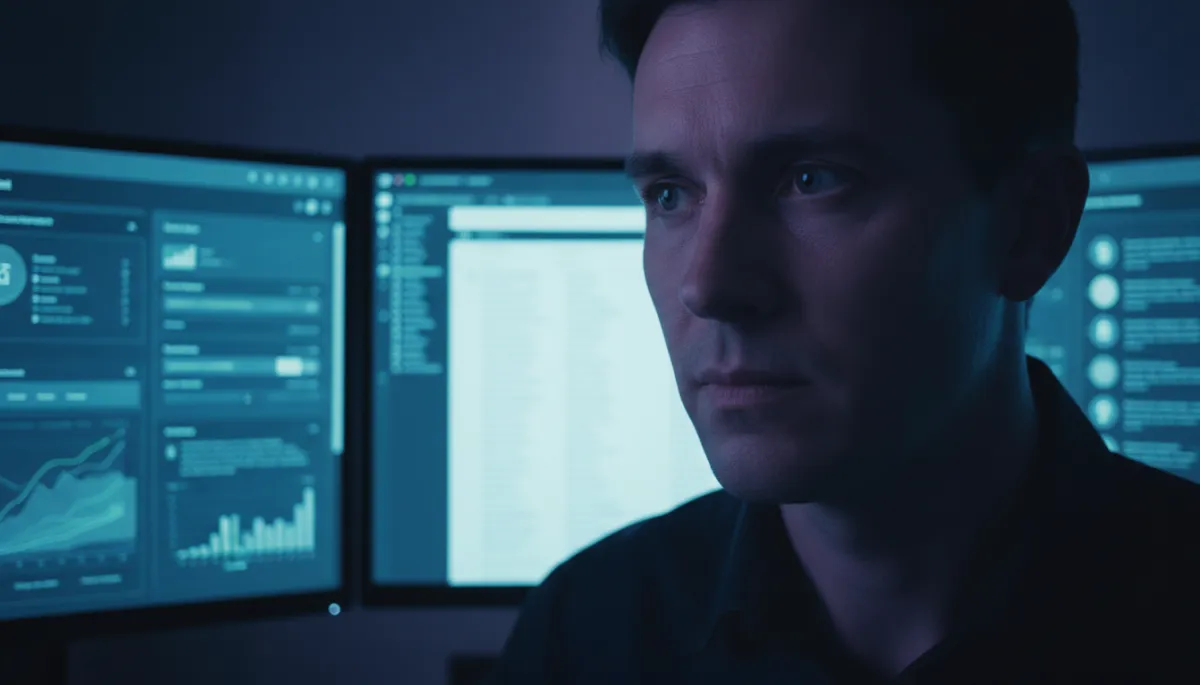
Monitoring dashboards all day is untracked labor that silently inflates operational overhead.
Peak-Load Failure: When “Someone Will See It” Stops Working
Invisible monitoring holds together under normal volume. But high-volume local service businesses and enterprises rarely operate at “normal.” Peaks happen — weather events, seasonal spikes, sudden campaigns, or viral reviews. During these surges, the assumption that a human will notice every important signal collapses.
In a peak-load scenario, integrated tools continue to pass data flawlessly, but no one has capacity to interpret it in real time. Leads wait uncontacted, urgent tickets age in queues, and revenue opportunities decay hour by hour. What looked like solid Process Efficiency at steady state reveals itself as a brittle, human-limited system.
⚠️ Warning: If your critical workflows rely on “someone will see it,” peak-load failure is a matter of when, not if.
False Confidence: Clean Data, Broken Decisions
Integration also creates false confidence. Dashboards are accurate. Reports are timely. APIs are healthy. Leaders see well-structured metrics and assume the underlying operations are equally robust. But your customer never experiences a dashboard; they experience response time, follow-through, and consistency.
When decisions and actions still depend on a human checking those dashboards, your Process Efficiency is limited by the slowest, most distracted person in the chain. This gap between visible data quality and invisible execution quality is where Bot-Brand routinely finds lost revenue, missed leads, and reputational damage hiding in plain sight.
Polished analytics can mask fragile, human-dependent execution beneath the surface.
A Concrete Audit: Trace Every Step and Count the “Look” Moments
To separate integration from true Business Automation in your own environment, perform a simple but rigorous audit. Choose one critical workflow — for example, “new lead to scheduled job” or “incoming issue to resolved ticket” — and trace it from the very first trigger to final completion.
Map every system that touches the process: website, phone, CRM, ticketing, billing, communication tools, AI agents.
For each step, ask: “Does this advance automatically, or only after someone looks at a screen?”
Count the number of steps that depend on human observation or judgment to move forward.
Estimate the time spent per day on these “look” moments — including context switching and follow-up.
The result is a quantified picture of Invisible Monitoring and manual decision work masquerading as automation. This is where Bot-Brand’s autonomous AI infrastructure and neural lead-capture engines replace attention-based control with logic-based execution, preserving your team’s cognitive capacity for truly exceptional cases.
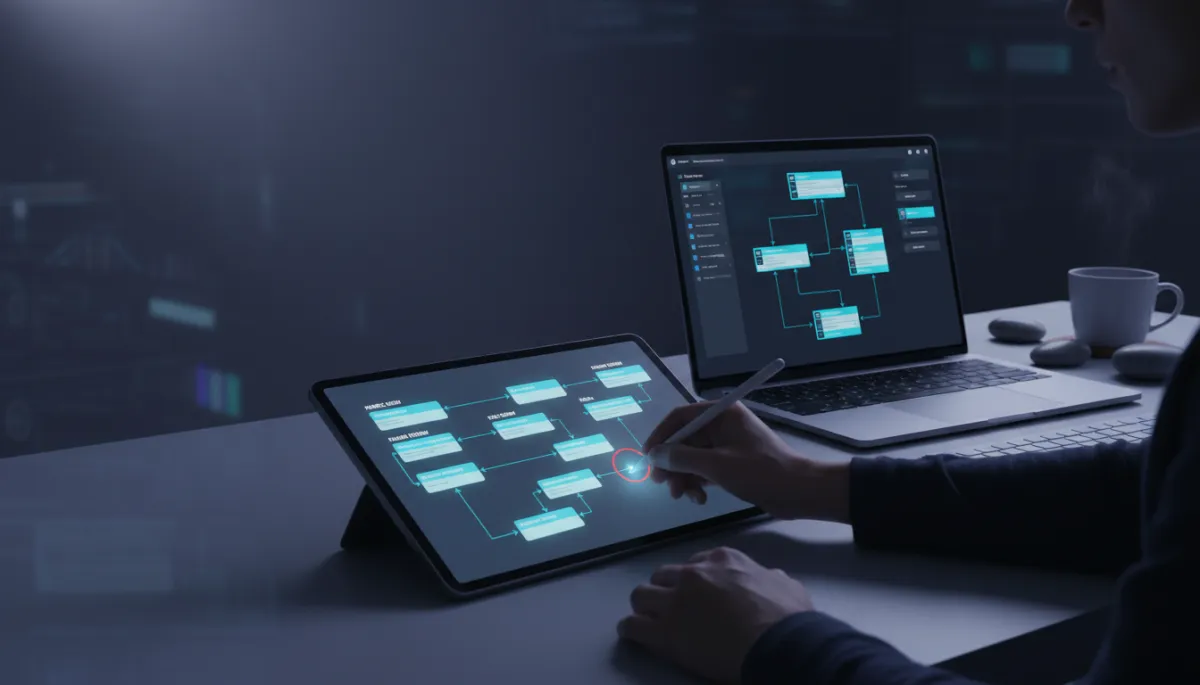
Auditing every “look” step exposes where true automation can reclaim capacity.
From Integrated to Autonomous: Your Next Move
Integration is table stakes; autonomy is advantage. When you replace human monitoring with well-architected Business Automation, you reduce Operational Costs, eliminate peak-load fragility, and remove false confidence from your leadership decisions. Bot-Brand’s commitment to precision logic, absolute digital autonomy, and technical architectural integrity is built for organizations ready to cross that line decisively.
If your audit reveals too many steps that only advance because someone looked, it is time to upgrade from “integrated” to truly automated. Initialize a Secure Uplink for an Architectural Audit and Systems Diagnostic with Bot-Brand, and we will expose the invisible monitoring load in your operations — then design a 24/7 autonomous ecosystem that handles it with machine-grade consistency and human-grade nuance.